
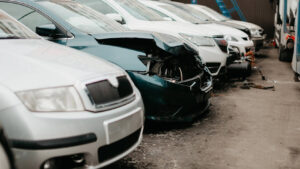
When a vehicle is branded salvage, most owners feel the same wave of emotions: confusion, fear of hidden damage, worry about resale value, and uncertainty about who to trust. At Auto Hut, salvage restoration isn’t guesswork—it’s a controlled, documented, safety-first process designed to return your vehicle to road-legal, insurable, and reliable condition across the Greater Toronto Area.
Below is the step-by-step salvage restoration process we follow to protect your investment and your safety.
1. Initial Salvage Vehicle Assessment & Verification
Every salvage restoration starts with facts, not assumptions.
- We verify the salvage status issued by Ontario authorities or insurance providers.
- We review accident history, impact zones, and previous repair attempts.
- We perform a full structural, mechanical, and electronic diagnostic inspection.
- We determine whether the vehicle qualifies for rebuild eligibility under Ontario regulations.
Why this matters: Many salvage vehicles fail later inspections because early damage was underestimated. Our Brampton technicians identify risks upfront—saving time, money, and failed inspections down the road.
2. Structural & Frame Integrity Evaluation
Structural safety is non-negotiable in salvage restoration.
- We inspect the unibody or frame alignment using precision measuring systems.
- Impact points are mapped against factory OEM tolerances.
- Hidden stress fractures, bends, and compromised welds are identified.
- We determine whether components require repair or full replacement.
Customer fear addressed: “Will this car ever be safe again?”
Our answer: Only if the structure meets factory-level standards—otherwise, we don’t proceed.
3. Certified Frame Straightening & Structural Repairs
If the structure is repairable, precision comes next.
- Frame straightening is performed using computer-guided equipment.
- OEM repair procedures are strictly followed.
- High-strength steel and aluminum repairs are handled by certified technicians.
- Structural repairs are re-measured to confirm accuracy.
Local trust factor: Auto Hut – The Collision Repair Shop serves Brampton and the GTA with repair standards trusted by insurers, inspectors, and safety authorities.
4. Mechanical, Suspension & Safety System Restoration
Salvage damage isn’t always visible—it often lives underneath.
- Suspension geometry is corrected to factory alignment.
- Steering, braking, and drivetrain systems are fully restored.
- Airbags, seatbelt pretensioners, and sensors are replaced or recalibrated.
- Advanced Driver Assistance Systems (ADAS), where applicable, are recalibrated.
Loss aversion trigger: Cutting corners here risks inspection failure—or worse, unsafe driving. We eliminate that risk.
5. Electrical Diagnostics & Module Programming
Modern salvage vehicles often fail due to electronics—not metal.
- Full system scans identify fault codes and damaged modules.
- Wiring harnesses are repaired or replaced.
- Control modules are reprogrammed to OEM specifications.
- Dashboard warnings and safety alerts are verified and cleared.
Why this step matters in the GTA: Ontario inspections are strict on electronic safety compliance. We prepare vehicles to pass the first time.
6. Body Repair, Panel Replacement & Paint Refinishing
Once safety is restored, appearance follows—without shortcuts.
- Damaged panels are repaired or replaced using OEM-approved parts.
- Panel gaps, symmetry, and fitment are restored.
- Paint matching is done using computerized color systems.
- Clear coat curing ensures durability against Ontario weather.
Psychological insight: A rebuilt vehicle should never “look rebuilt.” Visual confidence protects resale value.
7. Pre-Inspection Quality Control & Road Testing
Before any official inspection, we test ourselves first.
- Multi-point quality control inspections are completed.
- Road tests verify handling, braking, and drivability.
- Noise, vibration, and alignment issues are eliminated.
- Final adjustments are made before certification.
Benefit: Fewer surprises. Higher inspection pass rates. Less stress for the owner.
8. Ontario Rebuild Inspection Preparation
This is where many salvage restorations fail—ours don’t.
- Vehicles are prepared for Structural Inspection Certificate (SIC) requirements.
- Safety Standards Certificate (SSC) readiness is verified.
- Documentation and repair records are organized.
- We guide you through the inspection process clearly and honestly.
Local advantage: We understand Ontario and GTA inspection expectations, not just generic repair standards.
9. Final Delivery & Ownership Guidance
Our job doesn’t end when the car is rebuilt.
- We explain what was repaired and why.
- We advise on insurance, registration, and future maintenance.
- We provide transparency to support future resale disclosures.
- You leave with confidence—not unanswered questions.
Why Choose Auto Hut – The Collision Repair Shop for Salvage Restoration in Brampton?
- Deep experience with Ontario salvage and rebuilt vehicles
- Certified structural and aluminum repair capability
- Inspection-focused repair methodology
- Trusted by vehicle owners across Brampton, Mississauga, Vaughan, and the GTA
- Clear communication with no false promises
Salvage Restoration Isn’t About “Fixing a Car.”
It’s about restoring safety, legality, and peace of mind.
If your vehicle has been declared salvage in Brampton or anywhere in the GTA, Auto Hut – The Collision Repair Shop provides a structured, compliant, and transparent restoration process—designed to get you back on the road with confidence.
FAQs
1. What does salvage restoration mean in Ontario?
Salvage restoration is the process of repairing a vehicle that has been declared a salvage vehicle by an insurance company or Ontario authorities after severe damage. In Ontario, a salvage vehicle cannot be driven or registered until it is professionally repaired, inspected, and reclassified as “rebuilt.” At Auto Hut, salvage restoration follows Ontario’s structural, safety, and compliance standards from start to finish.
2. Can a salvage vehicle be legally driven in Brampton or the GTA?
No. A salvage vehicle cannot be legally driven on Ontario roads until it has:
- Been fully repaired
- Passed a Structural Inspection Certificate (SIC), if required
- Passed a Safety Standards Certificate (SSC)
- Been rebranded as rebuilt
We prepare salvage vehicles in Brampton and across the GTA to meet all legal and inspection requirements before road use.
3. Is it safe to drive a rebuilt salvage vehicle?
Yes—if the restoration is done correctly. Safety depends entirely on:
- Proper frame and structural repairs
- OEM-approved repair procedures
- Certified mechanical and electronic restoration
- Successful Ontario inspections
At Auto Hut – The Collision Repair Shop, safety systems, structural integrity, and electronic components are restored to manufacturer standards before any inspection.
4. How long does the salvage restoration process take?
The timeline depends on the extent of damage and parts availability, but most salvage restorations in Brampton take 3 to 6 weeks. Vehicles with major structural or electronic damage may take longer. We provide realistic timelines upfront and keep customers informed at every stage.
5. Will my salvage vehicle pass Ontario inspections after restoration?
A salvage vehicle will pass inspection only if repairs meet Ontario and OEM standards. Many vehicles fail due to hidden structural or electronic issues. Our restoration process is inspection-driven, meaning we repair with inspection criteria in mind—reducing the risk of rejection.
6. Can insurance be obtained for a rebuilt salvage vehicle?
Yes. Once a salvage vehicle is successfully rebuilt, inspected, and registered in Ontario, most insurance companies will offer coverage, though terms may vary. We guide Brampton and GTA customers through documentation and disclosure requirements to make insurance approval smoother.
7. Does salvage restoration affect resale value?
A rebuilt vehicle typically has a lower resale value than a clean-title vehicle, but professional restoration significantly improves buyer confidence. Proper documentation, quality repairs, and visual perfection help protect value. At Auto Hut, we restore vehicles so they look, drive, and perform confidently.
8. What types of damage qualify for salvage restoration?
Salvage restoration may be possible for vehicles damaged by:
- Collisions
- Flood or water exposure
- Fire damage (non-catastrophic)
- Theft recovery damage
Each vehicle must pass a repair feasibility assessment before restoration begins.
9. Why choose Auto Hut – The Collision Repair Shop for salvage restoration in Brampton?
Auto Hut is trusted across Brampton and the GTA because we offer:
- Certified structural and aluminum repair
- Inspection-focused restoration methodology
- Advanced diagnostics and module programming
- Transparent documentation and communication
- Local expertise with Ontario salvage laws
We don’t just repair—we restore compliance, safety, and confidence.
10. Do you handle salvage restoration for the entire GTA?
Yes. Auto Hut – The Collision Repair Shop provides salvage restoration services for customers in Brampton, Mississauga, Vaughan, Caledon, Toronto, and the Greater Toronto Area. Vehicles can be towed to our facility, and we manage the full restoration and inspection preparation process.